Professional Fencing Solutions: Protect Your Property With Durable Installations
Business fencing options play an essential role in safeguarding businesses. They provide essential perimeters that deter unauthorized access and minimize threats including property damage and intrusion. Given the wide range of materials on the market, each option offers specific features designed for varying requirements. Familiarity with these selections is key to arriving at knowledgeable choices. Which considerations matter most when choosing the ideal fencing solution? Examining this matter may result in meaningful improvements for any commercial property owner.
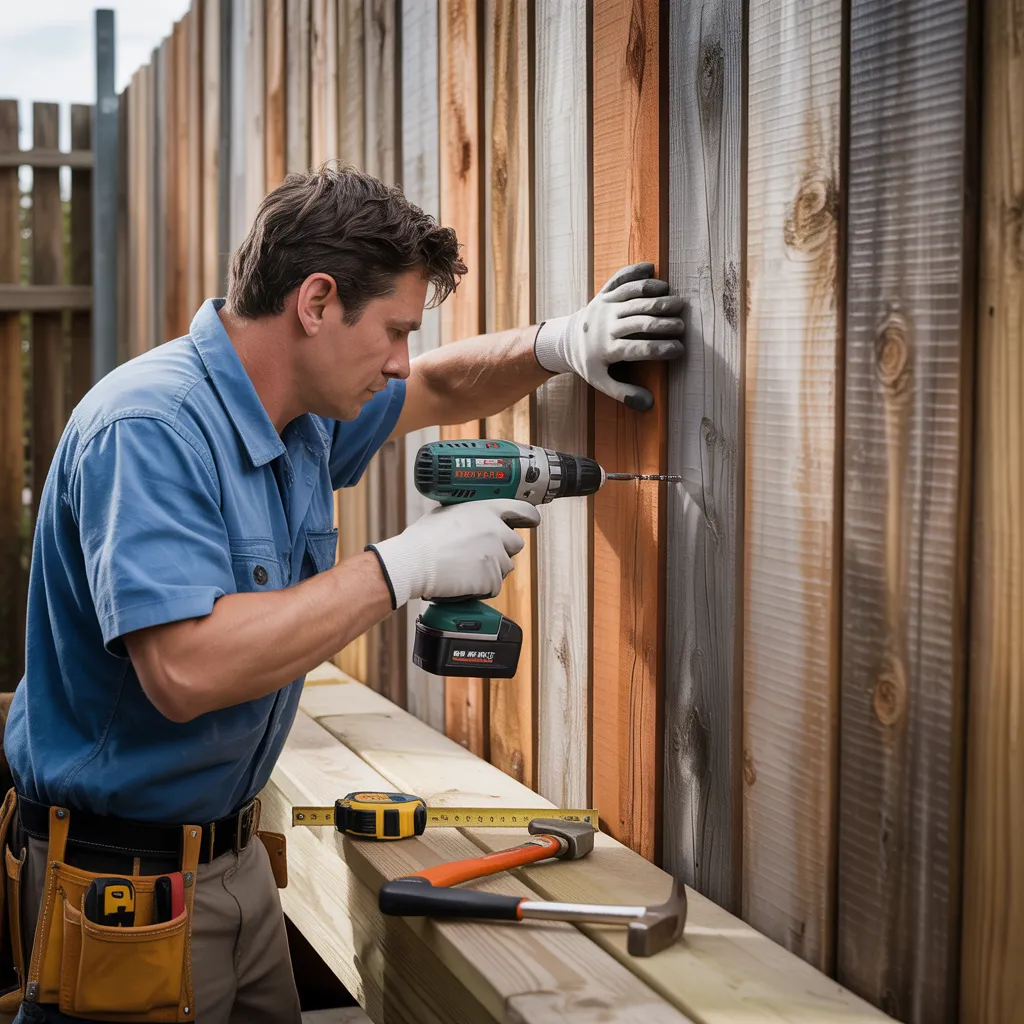
Why Commercial Fencing Is Essential for Your Business
Within the field of commercial security, industrial fencing serves as a fundamental barrier securing assets and promoting safety. It serves multiple functions that contribute to operational stability. To begin with, it prevents unlawful access, lowering the likelihood of robbery and property damage. A solidly erected fence forms a tangible border, communicating to possible offenders that the premises are watched and protected.
Moreover, commercial fencing improves privacy, shielding sensitive areas and information essential to business operations. It can also mark property lines, reducing disputes with adjacent businesses.
Beyond security benefits, commercial fencing has the ability to enhance the overall aesthetics of a property, creating a professional image that may attract clients and customers. Furthermore, it can aid in adhering with local regulations concerning safety requirements and liability concerns. Consequently, making an investment in commercial fencing is a sound business decision that reinforces both the reputation and security of a business.
Varieties of Commercial Fencing: Which Option Suits Your Requirements?
When choosing the most suitable kind of commercial fencing, businesses must consider several alternatives tailored to their specific needs. Chain link fencing offers security at a cost-effective price, while wooden fencing improves visual attractiveness. Meanwhile, vinyl fencing stands out for its durability and low maintenance requirements, making it an attractive choice for many commercial settings.
Chain Link Fencing Benefits
Chain link fencing offers an effective option for companies looking for visibility and security. The open design offers clear sight lines, making it simple to monitor the surrounding area. This fencing option is exceptionally durable, constructed from galvanized steel that resists rust and corrosion, ensuring long-lasting performance. In addition, chain link fences are an economical choice, making them a popular choice for companies working within tight budgets. Installation is relatively straightforward, which can reduce labor costs and time. Additionally, chain link fences can be tailored with different heights and finishes to meet particular requirements. Such adaptability helps businesses maintain a secure environment while accommodating aesthetic preferences. Overall, chain link fencing delivers an ideal blend of security, practicality, and cost-effectiveness for business properties.
Wood Fence Aesthetics
Although security and durability are top priorities for many businesses when selecting fencing, wood fencing distinguishes itself through its aesthetic appeal. The refer to this page natural beauty of wood elevates the visual identity of any commercial property, providing warmth and character that many other materials simply cannot match. Offered in a wide range of styles, wood fencing offers customization options to align with a brand's identity, whether through specific heights, colors, or finishes. The rich textures and tones of wood provide a unique backdrop for landscaping, making it a perfect option for businesses that place importance on curb appeal. Beyond that, wood can be treated and stained to sustain its visual appeal over time, ensuring that the aesthetic benefits endure. Overall, wood fencing presents a harmonious blend of function and visual charm for commercial environments.
Vinyl Fencing Durability Features
Vinyl fencing is well known for its outstanding durability, making it a popular option for many commercial properties. Unlike wood, vinyl does not warp, crack, or splinter, creating a durable barrier that can endure various weather conditions. This material is resistant to pests and decay, reducing the necessity for frequent maintenance or replacement. Furthermore, vinyl fencing is UV resistant, protecting against fading and discoloration over time. Its solid construction allows it to handle impacts without significant damage, upholding its structural integrity. Numerous commercial property owners value the ease of cleaning vinyl, as it can be simply washed down with soap and water. Overall, vinyl fencing offers a reliable, low-maintenance solution that meets the demands of commercial environments.
Why Investing in Quality Commercial Fencing Pays Off
Opting for quality commercial fencing provides businesses a robust solution for strengthening both security and visual appeal. Premium construction and materials provide durability, minimizing the necessity of costly repairs and replacements. This long-term investment not only safeguards property and assets but also supports an impressive visual appeal that can enhance customer perceptions.
Additionally, superior fencing can deter unauthorized entry and vandalism, building a more protected environment for employees and clients. It frequently adheres to local codes and regulations, decreasing legal risks stemming from insufficient barriers. In addition, top-tier fencing options can be personalized to address unique requirements, whether for privacy, aesthetic appeal, or branding.
Picking the Perfect Fencing: Important Factors
How does a business identify the most appropriate fencing option for its specific requirements? First, it is vital to assess the specific requirements of the property, including the level of security needed. High-security environments may necessitate options such as chain-link or barbed wire fencing, while aesthetic considerations might lead to decorative metal or wooden fences.
Next, organizations must consider the local climate and environmental factors, as these factors influence fencing material durability. For instance, coastal areas typically demand materials that resist rust and corrosion.
Budget constraints also play an important role; companies must weigh upfront costs against long-term maintenance expenditures.
In addition, property lines and zoning regulations should be evaluated to verify compliance. By reviewing these elements, businesses can select a fencing option that not only fulfills safety needs but also corresponds to their financial and operational objectives.
Strengthening Your Brand Image With Fencing
While many businesses prioritize security when selecting fencing, the choice of fencing can also significantly impact brand image. A well-designed fence showcases a business's core values and improves its visual appearance. For instance, contemporary, streamlined materials can project a forward-thinking image, while conventional timber fencing may suggest a feeling of tradition and dependability.
In addition, the style and color of fence installations can reflect a company's brand, creating a cohesive look that connects with clients. For organizations in competitive industries, distinctive fencing can act as a key differentiator, drawing attention and building strong customer connections.
Moreover, incorporating brand-related elements, including company logos or brand colors, into the design of fencing can strengthen brand identity and recognition. Ultimately, well-considered fencing selections not only strengthen security measures but also act as a reflection of the company's image, resulting in a unforgettable customer experience and strengthening market position.
How Much Does Commercial Fencing Cost to Budget For?
Establishing a budget for commercial fencing necessitates a detailed evaluation of several key factors. The cost of materials, installation expenses, and ongoing maintenance factors are all significant factors in calculating the total financial investment. A thorough grasp of these components can help businesses allocate resources effectively.
Breakdown of Material Costs
Recognizing material costs is important for any business looking to set up commercial fencing. Various factors contribute to the total cost, including the type of materials selected. Typical selections include chain link, vinyl, wood, and metal, each with varying costs. For example, chain link fencing tends to be more budget-friendly, while wrought iron or decorative fencing may require a greater financial commitment. Furthermore, the standard of materials can heavily influence pricing; premium materials often yield better longevity and lower maintenance costs over time. It is also important to take into account the total perimeter distance being fenced, as this will have a direct impact on the quantity of materials necessary. By analyzing these factors, businesses can create a more precise budget for their fencing projects.
Overview of Installation Expenses
Installation fees are a major factor in the total budget for commercial fencing projects. These fees can differ considerably based on a number of factors, including the style of fencing, the dimensions of the area to be fenced, and area labor charges. Typically, organizations should budget for site preparation, which may include removing debris or grading the terrain. Furthermore, the difficulty of the setup—such as adding gates or custom configurations—can further influence costs. Typically speaking, organizations should plan to budget between $5 to $15 per linear foot for installation, based on these factors. Organizations should seek multiple quotes from contractors to guarantee competitive pricing and to plan for unanticipated charges that may arise during the installation process.
Long-Term Upkeep Considerations
Ongoing maintenance planning is vital for companies that invest in commercial fencing, as these costs can greatly impact the overall financial commitment. Businesses should plan for routine inspections, repairs, and potential replacements, which can differ depending on the type of fencing material—wood, vinyl, or metal. Consistent maintenance not only maximizes the lifespan of the fence but also confirms conformity with local regulations and safety standards. Furthermore, companies should account for environmental conditions that can influence deterioration and damage, such as harsh weather events. Setting aside a maintenance budget can eliminate surprise expenditures and preserve the structural integrity of the premises. At its core, a consistently maintained fence enhances security and contributes to a refined visual presentation, underscoring the importance of the initial investment.
Essential Maintenance Tips for Durable Fencing Solutions
While many may overlook the critical nature of consistent care, appropriate care is imperative for securing the lifespan and strength of business fencing systems. Routine inspections should be undertaken to uncover signs of wear or damage, including oxidation, deterioration, or unstable hardware. Immediate repairs can avoid progressive damage and high-cost substitutions.
Washing the fence periodically is essential as well; eliminating dirt, debris, and plant growth can reduce the risk of deterioration and rust. For wooden fences, using a moisture-resistant coating every several years can shield from pests and moisture. Metallic fences benefit from a rust-resistant coating to prevent rust.
Additionally, keeping appropriate drainage along the fence guarantees that water does not collect, which can deteriorate the fencing over time. By implementing these care guidelines, organizations can extend the lifespan of their fencing system, confirming that it keeps delivering safety and curb appeal for years to come.
Finding the Right Fencing Contractor for Your Business
How can a business guarantee it selects the right fencing contractor? The journey starts with comprehensive research. Organizations should search for contractors with a well-established reputation, validated through customer feedback and testimonials. It is critical to examine proper licensing and insurance to guarantee compliance with local requirements and to minimize liability risks.
Next, collecting numerous quotes can provide insight into market rates and services offered. A comprehensive bid should cover materials, project timelines, and warranty information, enabling businesses to compare options effectively. Clear communication is critical; contractors must show prompt responsiveness and readiness to answer questions.
Moreover, examining prior projects can highlight the contractor's skill and expertise. Companies might also explore local contractors who have knowledge of area-specific requirements. All things considered, pursuing these considerations can foster a trustworthy working relationship that ensures the fence solution satisfies the particular demands of the company.
Questions We Often Receive
How Long Does Commercial Fencing Installation Typically Take?
Commercial fencing installation generally requires one to three days, based on variables including the materials used, the scope of the project, and required permits. Weather conditions can also influence the timeline considerably.
Are There Zoning Laws Affecting Commercial Fencing?
Yes, zoning laws commonly influence business fencing projects, as codes can determine height, materials, and placement. Enterprises ought to examine local zoning laws to ensure full compliance and steer clear of penalties or necessary adjustments after the fence is installed.
What Materials Are Most Durable for Commercial Fencing?
Steel and vinyl are among the most durable materials for commercial fencing. While steel delivers exceptional strength and long-lasting durability, vinyl stands out for its weather resistance and minimal upkeep requirements. Both options guarantee reliable security for various commercial properties.
Can Fencing Improve Employee Safety and Morale?
Fencing can substantially boost employee safety by creating secure boundaries, minimizing unsanctioned intrusion. This feeling of protection fosters a positive work environment, contributing to improved morale as employees feel safeguarded and respected within their workspace.
What Funding Solutions Exist for Commercial Fencing Projects?
Several financial avenues for professional fencing endeavors include loans, leasing, government grants, and installment payment plans. Many businesses regularly evaluate these pathways to manage costs effectively while ensuring timely completion of their fencing needs.