Full-Service Fence Installation & Replacement: Claim Your Free Quote Today
Extensive fence installation and replacement services deliver considerable value for landowners. These enhancements can improve aesthetics, privacy, and security. Understanding the diverse materials and factors at play is essential before committing to a choice. Furthermore, reviewing specific needs guarantees a personalized solution. For those considering a project, requesting a complimentary estimate can provide clarity on costs. Nevertheless, one must also consider the long-term maintenance and care needed for a satisfactory installation. What comes next?
The Perks of Fence Installation for Your Property
Fence installation presents a variety of advantages that can elevate any property. A properly built fence delivers vital privacy, establishing a private retreat for relaxation or family events. It also serves as a barrier, enhancing security by deterring unwanted visitors and keeping children and pets safely contained. Additionally, fences can greatly improve a property's aesthetic appeal, adding value and curb appeal through various styles and materials.
Furthermore, a fence can delineate property lines, eliminating boundary conflicts with neighbors and confirming property ownership. Specific fencing options can also provide useful functions, such as protection from wind or reduction of noise, enhancing the comfort of your outdoor space. In addition, putting up a fence can assist in adhering to local regulations regarding property boundaries and protective guidelines. In summary, the advantages of installing a fence extend beyond mere aesthetics, promoting safety, privacy, and property value in a variety of significant ways that establish it as a prudent decision for homeowners.
Important Factors to Consider Before Replacing Your Fence
Swapping out a fence can be a significant decision for residents, requiring careful consideration of various critical factors. First, the state of the existing fence must be evaluated; figuring out if it is genuinely past saving or merely needs attention can impact the decision to replace. Furthermore, homeowners should review local regulations and zoning laws, as these can govern fence style, height, and positioning. Budget constraints are also vital; understanding the financial implications can help in selecting materials and design options. Additionally, considering the purpose of the fence—be it for seclusion, protection, or visual appeal—will guide the choice of materials and design. Finally, homeowners should think about the future maintenance needs of different fencing options to secure sustainability. By evaluating these factors, homeowners can reach well-considered conclusions that meet their requirements and improve their property.
Evaluating Fence Materials: Which One Suits You Best?
When deciding on the best fencing material, what should homeowners take into account? Durability is paramount; options such as vinyl and metal tend to outlast wood, providing long-term value. Aesthetic appeal also plays a critical role, since different materials provide various styles to enhance the property's architecture. Upkeep demands differ considerably: wooden fences frequently demand regular painting or staining, whereas vinyl and metal generally require little maintenance.
Cost is another important consideration. While starting costs for wood tend to be less significant, the ongoing expenses associated with maintenance can add up. Moreover, the regional climate can impact material choice; for instance, chemically treated wood may be essential in humid areas to avoid decay.
Finally, homeowners need to take into account municipal regulations and neighborhood requirements, as these may govern acceptable materials and aesthetic choices. By taking these factors into account, property owners can reach well-informed conclusions that meet their requirements and improve their homes.
Installing Your Fence: A Step by Step Walkthrough
During the fence installation process, having the right tools is essential for a smooth experience. This section covers the required tools and offers a detailed, step-by-step walkthrough of the installation process. By following these instructions, homeowners can achieve a successful and sturdy fence installation.
Items You'll Need
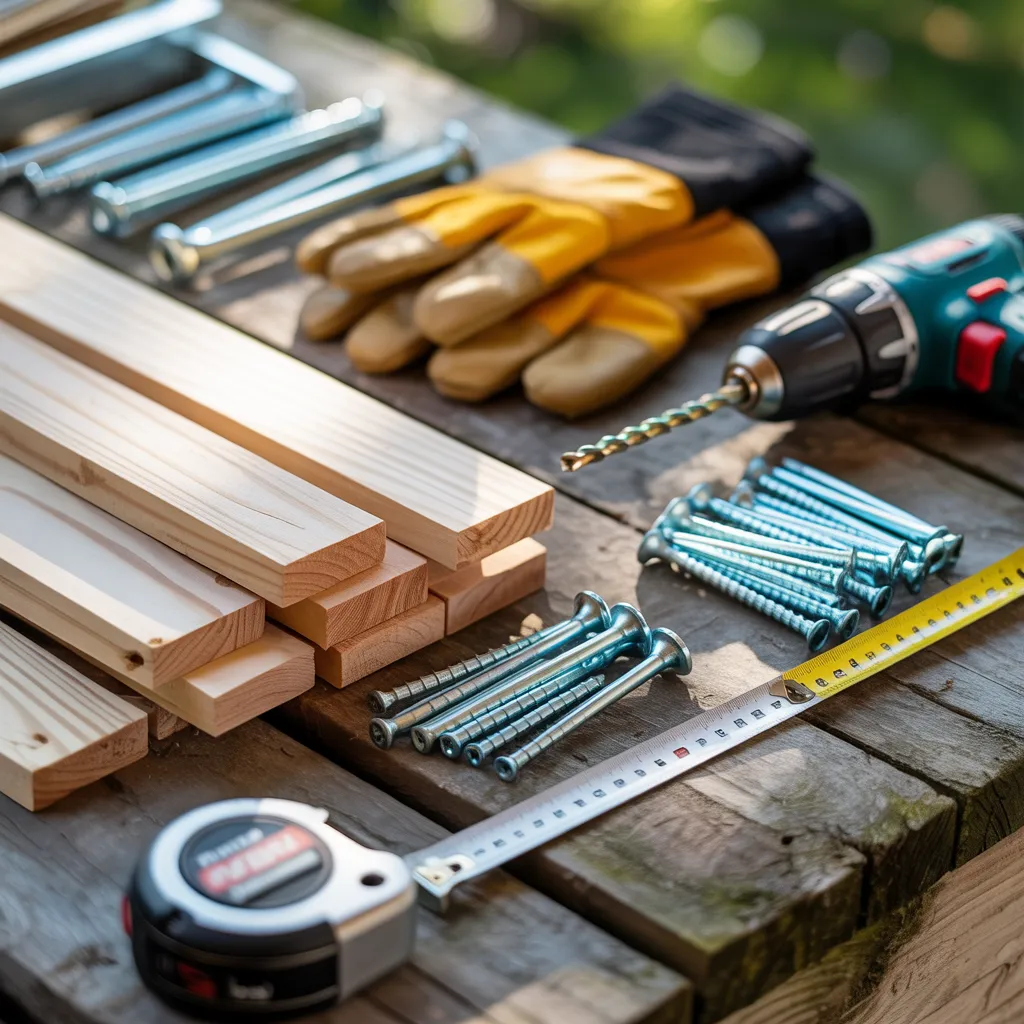
When preparing for a fence installation project, having the right tools is vital for guaranteeing a smooth process. A post hole digger is essential for creating the necessary spaces for fence posts. A level verifies posts are straight, while a tape measure aids in accurate spacing. A hammer or a nail gun is needed for securing panels, and a saw, either manual or power, helps cut materials to size. Furthermore, a string line can help preserve a consistent alignment during the installation process. As a safety precaution, gloves and protective eyewear are advised. Having these tools ready will streamline the installation, making the project more efficient and less prone to errors. Proper preparation is key to achieving a well-installed fence.
Steps of the Installation Procedure
Starting the installation of a fence requires careful planning and execution. Initially, the area should be carefully measured and marked, confirming compliance with local codes. Next, posts are set in concrete, spaced according to the fence type, typically around 6 to 8 feet apart. Once the posts are secure, the horizontal rails are attached, providing structure and support. Subsequently, the preferred fencing material—such as wood, vinyl, or chain link—is fitted, confirming it is level and accurately aligned. Gates are then mounted, enabling access while upholding overall functionality. To conclude, the installation site is cleared, and any needed corrections are applied, wrapping up the process. This systematic method ensures a long-lasting and visually appealing fence.
Get a Complimentary Quote for Your Fence Installation Project
How can homeowners accurately assess the cost of their fence installation project? Securing a complimentary estimate is a critical initial step. Established fencing contractors commonly provide free estimates, enabling homeowners to grasp the financial scope before dedicating themselves to a project. During this process, homeowners should provide detailed information about their property, including dimensions, preferred materials, and any specific design requests.
Contractors often consider several elements, such as site conditions, labor, and material costs, when preparing a quotation. Homeowners are advised to obtain several quotes to compare pricing and services. This approach not only aids in determining the greatest value but also provides insight into each contractor's techniques and qualifications. Transparent dialogue concerning project goals can lead to a more detailed quotation. At its core, a no-cost quote functions as a beneficial instrument, allowing property owners to reach educated conclusions about their fencing needs.
Care Tips for Your Residential Fence
Maintaining a household fence is crucial for safeguarding its longevity and appearance. Periodic checkups should be carried out to recognize indicators of deterioration, such as corrosion, decay, or unsecured boards. Washing the fence a minimum of once annually aids in eliminating mildew, dirt, and algae, which can break down materials with time. For wooden fences, adding a weather-resistant sealant or stain periodically can enhance durability and aesthetics. Property owners should also ensure that greenery does not invade the fence area, as limbs and roots can result in structural deterioration. In addition, looking for any loose fasteners and securing them without delay will avert more extensive damage. In zones subject to harsh climatic conditions, greater maintenance may be needed, such as strengthening posts or using weather-proof treatments. By adhering to these upkeep guidelines, residents can increase the longevity of their fence while keeping its attractive appearance.
Common Inquiries About Fence Installation
When thinking about fencing installation, numerous homeowners have inquiries about various aspects of the process. Important areas typically include the variety of fencing materials on the market, an overview of the installation process, and considerations that impact the overall price. Answering these questions can offer guidance and enable property owners to decide with confidence.
Fencing Material Types
Identifying the correct fencing material is important for reaching both practicality and elegance in every property. A wide range of options exists, each offering unique benefits. Wooden fencing, for example, delivers a classic look and can be customized easily, but it necessitates consistent upkeep. Vinyl, on the other hand, is virtually maintenance-free and immune to rot, establishing it as a top pick for numerous property owners. Chain-link material is economical and durable, though it may offer limited seclusion in contrast to other materials. Aluminum fencing delivers a balance of sturdiness and sophistication, commonly selected for aesthetic enhancements. Finally, composite fencing combines the benefits of wood and plastic, offering resilience without extensive care. Each material serves distinct needs, enabling property owners to select carefully based on their individual needs.
Overview of the Installation Process
Understanding the construction process of a fence is important for residents thinking about a new feature to their property. The first step typically involves examining the site to establish the best fence configuration and location. Property owners should verify local zoning regulations and secure necessary permits. Following this, the installation commences with mapping the perimeter, digging post holes, and securing the posts using concrete for stability. Once the posts are set, panels or boards are fitted according to the chosen design. This phase may also include adding gates and guaranteeing proper alignment. Lastly, a comprehensive inspection is performed to verify quality and compliance with standards. Property owners are advised review article to ask questions throughout this process to clarify any questions.
Pricing Estimation Considerations
There are several key factors involved in fence installation cost estimation that homeowners should take into account. First, the type of material—wood, vinyl, metal, or chain link—significantly influences pricing. Every material option comes with its own pricing structure and upkeep needs. Additionally, the dimensions of the fence, including its length and height, have a direct impact on the total cost; larger areas will require more materials and labor. Furthermore, factors like terrain and site accessibility may drive up installation costs when specialized tools or methods are required. Regional labor costs and required permits can further add to the overall expense. Lastly, homeowners must also consider extra features like gates or ornamental details, as these can add to the project's total cost.
Frequently Asked Questions
How Long Does the Fence Installation Process Typically Take?
The process of installing a fence generally requires anywhere from one to three days, depending on factors such as the total area size, the choice of materials, as well as weather conditions. Proper planning can help streamline the project considerably.
Do I Require a Permit to Install a Fence?
In most cases, a permit is necessary for fence installation, according to local regulations. It is recommended that homeowners consult with their municipality to confirm compliance with zoning laws and prevent potential fines or complications.
Can I Install a Fence on a Slope?
Certainly, a fence may be placed on a slope. Various techniques, like stepping or grading, handle uneven terrain. Thorough planning ensures aesthetic appeal and stability, permitting property owners to successfully address their landscaping demands.
What Is the Standard Cost of Fence Replacement?
The average cost of fence replacement generally falls from $1,500 to $4,000, depending on labor, materials, and the overall property size. Differences in regional labor costs and particular requirements can influence overall expenses considerably.
In What Ways Does Weather Impact Fence Installation Schedules?
Climate conditions considerably influences fence installation timelines. Rain, snow, or extreme temperatures can delay work due to hazardous conditions and logistical challenges. Installation professionals often revise plans to secure optimal conditions for completing the project, focusing on quality and durability.