The process of finding trusted LaSalle experts for exterior installations begins with careful attention to scope, permits, and safety. Make sure to check city licensing, WSIB, and professional insurance. It's essential to require engineered drawings, frost-depth footings, CSA/AISI connectors, and Arrow Postholes ACQ‑compatible fasteners. Written proposals should include materials, inspections, and weather contingencies. Tie milestone payments to footing, framing, and final inspections. Always verify utility placement before breaking ground and gather project documentation: warranty information and maintenance schedules. Create a Gantt schedule with crew scheduling and workspace preparation verification. Following these steps will ensure successful execution.
Main Insights
- Shortlist LaSalle professionals with proven track record in outdoor structures; validate business permits, WSIB, and insurance documentation with policy numbers and expiration dates.
- Need engineered drawings and permits, while adhering to LaSalle zoning, frost-line foundation requirements, setbacks, guard/handrail specifications, and CSA-certified fastening components.
- Analyze written quotes line by line: materials, footing depth, railing heights, permit handling, fastener specs, inspections, crew size, schedule, and milestone payments.
- Build a feasible schedule featuring permit intake, plan review, utility locates, inspection phases for footings, framing, and final completion, weather contingencies, and organized transfers between trades.
- Demand written warranties for materials and workmanship, as well as final construction documents, maintenance guidelines, and hold final payment until inspections are approved and permits close.
Essential Guide to Planning Your LaSalle Backyard Transformation
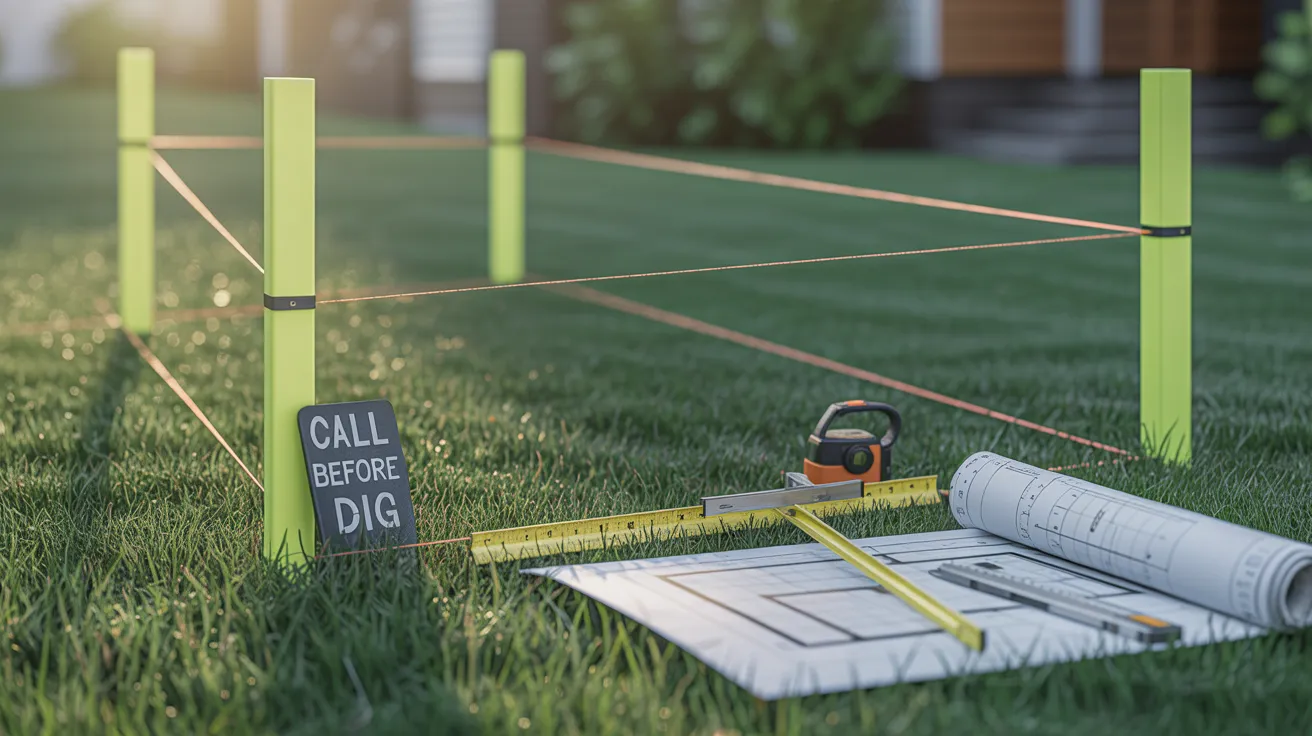
What's the first step when planning a backyard renovation in LaSalle? First determine the parameters: fence layout, deck footprint, gazebo location, access paths, runoff control, and required setbacks. Confirm municipal bylaws, height restrictions, lot coverage, and clearance requirements. Call before you dig to pinpoint utility lines and services. Establish a practical financial plan with contingencies for ground work and permits.
Specify materials that meet code: cedar or pressure-treated lumber for structural elements, anti-corrosion fasteners, and approved guard and handrail dimensions. Implement surface water drainage with appropriate grading away from buildings. Select native landscaping to minimize maintenance and benefit local ecology. Configure outdoor lighting with covered, low-voltage elements, GFCI-protected wiring, and dark-sky compliant practices. Schedule phased construction to provide safe access, maintain site security nightly, and shield neighboring premises.
Comparing and Vetting Local Contractors
Before requesting quotes, build a shortlist of LaSalle contractors showing verified experience matching your scope in fences, decks, and gazebos. Verify licenses with the municipality and confirm WSIB and liability insurance papers; verify names, policy numbers, and expiry dates. Review active permits and compliance orders. Obtain examples of three similar recent builds for evaluation; confirm standard-meeting structural components and fixtures. Call previous clients and ask about inspection results on first attempt.
Compare written specifications line by line: blueprints, hardware requirements, concrete thickness, railing heights, clearances, and utility markers. Define detailed project schedules, progress payments contingent on inspections, and modification procedures. Examine safety requirements, site protection, dust and noise management, and site restoration. Require warranties in writing. Dismiss proposals that change materials without authorization.
Best Materials for the Climate in LaSalle
Select materials that hold up against LaSalle's freeze-thaw cycles, humidity from the lake, sun exposure, and wind forces while complying with Ontario Building Code requirements. Focus on structural lumber certified for ground contact, anti-corrosion fasteners (ACQ-compatible, hot-dipped galvanized or stainless), and non-slip walking surfaces. For decks, install Maple resistant composites with sealed cores to reduce water ingress, and hidden fasteners validated by the manufacturer. Select Freeze thaw timber such as pressure-treated No. 2 or better, post-treatment kiln-dried, with cut ends resealed.
When constructing fences, opt for durable steel or aluminum post materials featuring powder-coated finishes and concrete foundations below the frost line. When building gazebos, select decay-resistant cedar wood or composite building materials, combined with CSA/AISI certified metal connectors. Install UV-protected finishing materials, utilize capped rails to divert water and add protective drip edge elements. Verify CSA certification for all components.
Design Strategies That Increase Curb Appeal and Home Value
Improve your property's market value and exterior aesthetics by making sure your exterior features match your house design, permitted palettes, and local zoning setbacks. Opt for low-maintenance, regulation-adherent materials—powder-coated aluminum, synthetic deck material, and PVC railing—to lower care requirements and protect against moisture, slip, and corrosion hazards. Verify weight distribution, fastening, and guard height continuity so your unified design complies with building codes and safety standards.
Consistent Architectural Theme
While developing exterior improvements, maintaining cohesive architectural styling ensures your fence, deck, and gazebo complement your home's design, materials, and palette, boosting visual appeal and home value. Focus first on proportionality: coordinate structural elements, balustrade profiles, and spacing patterns with house trim. Establish smooth connections between siding, stone, and wood, and continue datum lines at porch heights for aesthetic balance. Align overhead structures to mirror your home's eave pitch and soffit details, preventing unsightly angles.
Match color and finish with the house's main surfaces and decorative features. Verify conformity to regulations governing railing heights, stair configurations, and illumination requirements. Configure proper water management, proper foundation positioning, and weather-resistant base structures. Select corrosion-resistant hardware and matching metal elements to avoid staining. Design access points and staircases to ensure proper egress and accessible movement.
Easy-Care Material Options
Although aesthetics matter, prioritize long-lasting, easy-care products that comply with local regulations and perform well in LaSalle's variable climate. Select Composite decking with sealed planking, concealed hardware, and anti-skid finishes; ensure Class C or higher fire resistance and approved span tables. Install rot-resistant joists or weatherproofing over PT lumber, corrosion-resistant screws, and standard-conforming safety and access fittings.
Opt for vinyl fencing with UV protection, with heavy-duty aluminum rails and posts set in concrete below frost line. Make sure to check wind-load specifications and adherence to privacy and pool safety requirements.
When constructing gazebos, opt for powder-coated aluminum or engineered PVC columns, along with anti-corrosion fasteners, and snow-load compliant roofing systems. Always request product warranties, verification of CSA/ASTM standards, and comprehensive care instructions. You'll reduce repainting needs, prevent moisture damage, and ensure surface integrity and simple maintenance year-round.
Budgeting, Quotes, and Timelines Made Clear
The process begins with a transparent cost breakdown that outlines all components including materials, labor, permits, and inspections to ensure the project compliant with safety standards. Then, you compare contractor quotes point-by-point-examining scope, specs, warranties, lead times, and cleanup-to verify you're evaluating identical deliverables. Finally, you set a realistic timeline with key milestones, utility locates, weather buffers, and inspection windows to avoid delays and change-order risks.
Clear Cost Breakdown
Since unexpected costs can derail projects and budgets, we present comprehensive cost analysis for every fence, deck, and gazebo in LaSalle. We clearly outline material sourcing, hardware, fasteners, posts, footings, finishes, permits, inspections, and disposal. We detail product specifications, quality grades, and building codes so you can verify compliance and durability.
We provide an itemized labor breakdown: covering all phases from excavation and layout to concrete work, framing, decking, railings, lighting, staining, and final cleanup. All items detail team size, duration, and cost rates, allowing you to see budget elements and scheduling details.
Your estimate includes a climate-conscious schedule, key project checkpoints, and contingencies for underground utilities and frost-depth footings. We highlight optional upgrades separately. All tax and warranty information is displayed transparently. No allowances without written ranges and approval.
Analyzing Contractor Bids
While quotes may appear alike at first, you should review them in detail to confirm crucial factors such as project coverage, building standards, and total investment. Verify critical components including permit handling, safety inspections, utility marking, and engineered fastening systems. Review material specifications (wood species, quality, weatherproofing, corrosion-resistant or stainless hardware), foundation depth, handrail dimensions, and gate closure systems that meet Ontario/LaSalle building codes.
Obtain written warranties from contractors addressing performance of workmanship, heave protection, fastener integrity, and finishing. Verify coverage: tear-down, cleanup, site safety, erosion measures, service calls, and final tweaks. Request breakdown of labor time, workforce numbers, and management details.
Implement smart negotiation techniques that protect safety: discuss alternatives (composite options vs. cedar options, alternate screw types), bulk pricing options, and off-season rates. Evaluate payment terms; skip substantial deposits. Verify WSIB, liability insurance, permits, and references are up-to-date and authenticated.
Realistic Project Timelines
After reviewing quotes in detail, create a construction timeline that incorporates material availability, permits, and inspection requirements and seasonal weather in LaSalle. Plan in reverse from your target completion date: set aside days for technical drawings, permit submissions, design evaluation, and required inspections. Add extra time for weather-related delays-freezing conditions, wet weather, or strong gusts can delay foundation work, concrete installation or staining work. Get written confirmation of material delivery dates; custom-ordered timber, fittings, or handrail assemblies frequently need extended timelines.
Organize teams to ensure safety and compliance. Confirm subcontractor scheduling for excavation, concrete, framing, electrical, and fencing or gazebo finishes, with specific handoff dates and site readiness checks. Publish a Gantt-style chart, identify hold points, and implement daily cleanup. If inspections delay, rebaseline immediately and alert neighbors when noisy work takes place.
Key Information About Permits, Codes, and Warranties
Before starting work with a contractor for your outdoor construction project in LaSalle, confirm permits, building codes, and warranty coverage that govern the work to ensure proper compliance. Insist that the contractor obtain necessary permits and submit drawings that satisfy local building codes, including structural specifications, setback rules, and safety requirements. Ensure utility locates before breaking ground.
Ask for detailed warranty documentation. Distinguish between manufacturer warranties (on materials like lumber, fasteners, and finishes) from the contractor's labor guarantee. Check the warranty period, what's not covered, and process for warranty claims and fixes. Obtain proof of liability insurance and workplace safety insurance.
Document inspections include foundation, framework, and final assessments. Be certain to retain the final payment until permit closure is complete and you receive the as-built plans, maintenance instructions, and warranty documentation.
Questions & Answers
Are Maintenance Plans Available After Contractor Installation?
Many contractors provide service agreements after installation. You can expect regular checkups performed once or twice per year, with thorough evaluations for integrity checks, fastener inspection, and surface condition. They'll record observations, focus on safety improvements, and confirm regulation compliance. Plans typically include general upkeep, sealing work, small repairs and timely cost estimates. You may choose warranty extensions connected with documented service compliance. Ask for a written scope, service timeframes, material details, and transparent costs to avoid surprises.
Can Smart Lighting and Outlets Be Integrated Into My Deck or Gazebo Design?
Indeed, it's possible to integrate smart lighting and outlets into a deck or gazebo. Use smart switches rated for exterior use, and set up Weather-protected outlets (GFCI, in-use covers) on separate outdoor circuits. Follow NEC/CEC codes: correct conduit, drip loops, and bonded metal parts. Opt for wet‑location fixtures, low‑voltage options where possible, and protect penetrations. Confirm Wi‑Fi coverage or install a weatherproof hub. If unsure, consult a licensed electrician and get required permits.
What Choices Do I Have for Eco-Friendly or Recycled Materials?
You'll find various eco-friendly choices available. Opt for composite boards featuring recycled plastic and wood fibers; remember to confirm recycled content and slip resistance. Think about bamboo for its fast-renewable strength; ensure you seal ends and ensure proper ventilation. Cork decking provides comfortable, low-VOC performance; verify UV-stable, exterior-rated materials. Using reclaimed hardwoods provides excellent durability; thoroughly check for rot, nails, and treat with non-toxic finishes. Install stainless fasteners, hidden clips, and verified low-VOC sealants. Be sure to verify local code approvals, fire ratings, and structural load compliance.
How Do Seasonal Offers Affect Project Costs?
Project pricing drops during seasonal promotions by leveraging both seasonal offers and lower-demand timing. The biggest savings come during late fall or winter when crews have more availability, but consider potential weather-related setbacks and supply lead times. During peak seasons, discounts decrease as demand increases. Obtain comprehensive price estimates, check professional certifications, and confirm warranty conditions don't differ. Get all timelines in writing, add safety requirements, and book inspections well in advance to sidestep rush fees and inventory issues.
Can I Get Financing or Payment Plans Through Local Contractors?
Absolutely - various local construction companies feature various payment arrangements and financing options. Most commonly, you'll find 0% interest deals, set-rate payment options, or phase-based payment schedules. Confirm licensing, insurance, and lien waivers before finalizing the contract. Ask for a written schedule: deposit limit, draw triggers, and retainage. Review APR, total cost, prepayment charges, and late fees. Make payments through secure channels, don't use cash, and stay away from large upfront deposits. Examine each provision and confirm dispute resolution and warranty procedures.
Closing Remarks
The time has come to transform your LaSalle backyard into a safe and beautiful retreat. With professional and verified pros, weather-resistant materials, and regulation-meeting plans, you'll steer this project with confidence. Lock down necessary permits, set timelines, and check warranties to prevent issues. Evaluate and review quotes, confirm insurance policies, and insist on written specifications. Then witness your new fence, deck, or gazebo take shape like a perfect sunrise-beautiful, safe, and long-lasting-improving outdoor beauty and value with every expertly fastened board.